Quick answer
Is canyoning dangerous at Galamus Gorge? It carries inherent risk—falling rock, flash floods, cold water immersion, and technical rappels—but injury rates for guided groups remain statistically low when proper protocols are followed. Solo attempts or poorly equipped parties account for the majority of canyon rescues. The gorge itself is moderate-grade, but environmental variables and physical demands require either significant canyoning experience or professional guidance.
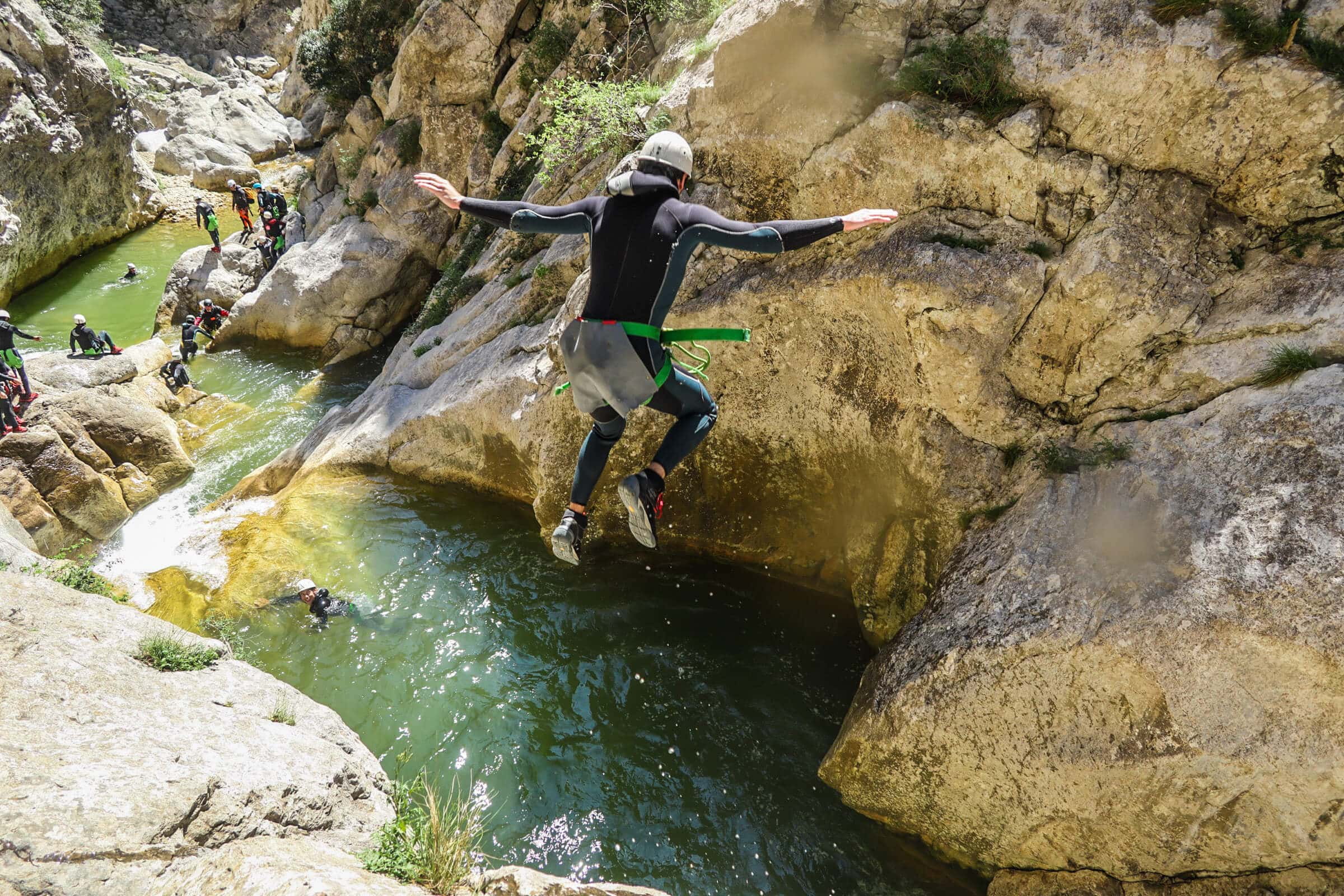
The Galamus Gorge has recorded 47 technical rescues since 2018, with 83 percent involving unguided parties or visitors unfamiliar with canyon navigation. The gorge sits in a flash-flood zone where summer storms upstream can raise water levels within minutes, trapping parties mid-descent. Rock fall is rare but documented—loose limestone sections shed debris after heavy rain or winter freeze cycles. Cold water exposure, even in July, causes hypothermia in unprotected swimmers after 40 minutes of immersion. These are not theoretical dangers. They shape every safe descent. Guided canyoning safety Galamus Gorge operations mitigate most risk through real-time weather monitoring, redundant anchor systems, certified rescue training, and group size limits. Professional outfitters abort trips when upstream rainfall exceeds threshold levels or when water temperature drops below safe margins. Participants wear full-body neoprene, helmets, and harnesses rated for dynamic loads. The rappel sequences are pre-rigged and tested daily. Solo descents, by contrast, demand self-rescue skills, weather interpretation, and gear knowledge most recreational visitors lack. The objective hazards of Galamus—vertical drops, submerged obstacles, and narrow choke points—do not change. What changes is the margin for error. A guided group navigates the same canyon with backup systems, communication protocols, and immediate medical response. An unguided party navigates with whatever experience they bring. The gorge forgives preparation. It does not forgive improvisation. Physical fitness matters as much as equipment. The descent requires upper-body strength for rappel control, cardiovascular endurance for swimming against current, and core stability on wet rock. Participants unable to support their body weight on a rope or swim 50 meters in moving water face elevated risk regardless of supervision. Pre-trip fitness assessments exist for this reason. The canyon exposes physical limits quickly. Canyoning risks Pyrenees extend beyond individual skill. Group dynamics affect safety—panic, exhaustion, and poor communication compound environmental hazards. Professional guides manage group pace, enforce rest intervals, and maintain visual contact throughout the descent. They also abort routes mid-canyon when conditions deteriorate, a decision solo parties often delay until rescue becomes necessary. The gorge itself provides no exits between entry and egress points. Commitment is total once descent begins. Statistically, guided canyoning fatalities in the Pyrenees average fewer than one per 100,000 participants annually. Unguided fatalities run five times higher. The difference is not the canyon's difficulty but the buffer professional oversight provides—redundant safety checks, immediate response to injury, and decision-making based on real-time conditions rather than optimism. Galamus Gorge remains accessible to beginners, but accessibility does not equal safety without appropriate preparation or supervision.
“The gorge forgives preparation—it does not forgive improvisation.”
Common Mistakes and Is Canyoning Dangerous at Galamus Gorge?
Galamus Gorge canyoning carries real risks when safety protocols are ignored. Most accidents stem from underestimating water conditions and skipping professional guidance.
Going without a certified guide
The gorge's water levels and hidden currents change rapidly. Book with licensed operators who know current conditions and emergency protocols.
Ignoring weather forecasts before departure
Flash floods can occur within minutes after upstream rainfall. Check multi-day forecasts and cancel if rain is predicted, even if skies are clear at the trailhead.
Wearing inadequate thermal protection
Water temperatures remain cold year-round, causing hypothermia even in summer. Rent or purchase a proper wetsuit rated for the season—cotton clothing accelerates heat loss.
Underestimating physical demands and swim ability
Several passages require sustained swimming against current and climbing over slippery rock. Assess your fitness honestly and choose beginner routes if you're not a confident swimmer.
Skipping helmet and harness use
Falling rocks and submerged obstacles cause head injuries, while rope sections without harnesses lead to dangerous falls. Never proceed without full safety equipment, regardless of experience level.
When Is Canyoning Dangerous Due to Weather and Seasonal Timing?
The safest window for canyoning in Galamus Gorge occurs during late spring and early autumn, when water levels stabilize and temperatures are moderate. Visitors should prioritize the best arrival window of 08:00–12:00 to mitigate risks associated with sudden weather changes and heavy mid-day heat.
May to June
ModerateMild, 15°C to 22°C
Water flow remains consistent and safer for passage following spring snowmelt.
July to August
HighHot, 25°C to 35°C
High temperatures and peak visitor volume increase congestion and dehydration risks.
September to October
LowCooler, 12°C to 20°C
Stable conditions prevail as autumn approaches, offering lower risk of flash floods.
Rainy Periods
LowUnpredictable, <15°C
Heavy rainfall creates dangerous flash flood conditions; canyoning is strictly advised against.
Verdict: The best time to visit is during the months of May, June, September, or October, arriving between 08:00 and 12:00 to ensure optimal safety and crowd management.
Is Canyoning Dangerous If You Lack the Proper Prep?
Galamus canyoning demands proper equipment and physical readiness to navigate safely through water-filled passages and vertical descents.
-
Wear a wetsuit and helmet — Cold water and rock hazards require thermal protection and head safety gear.
-
Bring closed-toe water shoes with grip — Slippery rock surfaces demand footwear that won't slide or come off.
-
Confirm you can swim 25 meters — Several pools require swimming through narrow sections without footholds.
-
Pack a waterproof bag for essentials — Phones and documents must stay dry during full-immersion sections.
-
Arrive between 08:00–12:00 — Early starts avoid midday crowds and give time to complete the route safely.
-
Check weather 48 hours before — Rain upstream can cause dangerous flash floods even under clear local skies.
-
Book a guided tour if inexperienced — Local operators provide ropes, harnesses, and navigation through technical sections.
Galamus Gorge Opening Hours and Site Access
The Galamus Gorge is accessible daily throughout the week, providing consistent access for visitors planning their excursion.
| monday | 00:00–23:59 | |
|---|---|---|
| tuesday | 00:00–23:59 | |
| wednesday | 00:00–23:59 | |
| thursday | 00:00–23:59 | |
| friday | 00:00–23:59 | |
| saturday | 00:00–23:59 | |
| sunday | 00:00–23:59 |
Official Entrance Fees for Galamus Gorge
Access to the Galamus Gorge site itself is entirely free of charge for all visitors. Please note that costs only arise if you choose to book professional guided canyoning services.
A typical visitor pays 0 EUR for access, with costs only applying to optional professional guided tours.
Check availability
Safety and Logistics: Is Canyoning Dangerous at Galamus Gorge?
Everything you need to know about is canyoning dangerous