Quick answer
Galamus is classified as a gorge because it was carved by the Agly River through vertical limestone walls in a region with consistent water flow. Canyons, by contrast, typically form in arid climates through a combination of river erosion and weathering over wider expanses. The distinction hinges on width-to-depth ratio, rock type, and the erosive force—gorges are narrower, deeper relative to their width, and almost always shaped by active rivers.
The Gorges de Galamus cuts nearly 500 meters through Jurassic limestone, its narrowest sections barely wide enough for the departmental road that threads along the cliff base. The formation began millions of years ago when the Agly River, fed by Pyrenean snowmelt and rainfall, exploited fractures in the sedimentary rock and carved downward faster than the surrounding plateau eroded laterally. That vertical downcutting—amplified by the region's limestone solubility and tectonic uplift—produced the steep, near-parallel walls that define a true gorge. The canyon gorge difference matters less to geologists, who treat the terms as overlapping, than to visitors trying to picture the landscape. Canyons like those in the American Southwest are often kilometers wide with layered, terraced walls exposed by slow erosion in dry climates. Galamus, by contrast, remains a cleft: shaded, cool even in summer, its walls close enough that sunlight reaches the river only for a few midday hours. The hermitage chapel, carved into the rock face in the seventh century, occupies a natural alcove formed by dissolution and rockfall—a feature common in limestone gorges where water and weak carbonic acid widen joints and fissures over millennia. Understanding the terminology also explains why the site remains accessible year-round despite its dramatic profile. Gorges shaped by perennial rivers stabilize over time; the Agly's flow, though reduced in summer, continues to transport sediment and prevent the channel from filling. The same process that carved the passage keeps it clear, and the rock—though fractured—has been reinforced where the road requires it. The distinction between erosion by persistent water and erosion by episodic flash floods in arid canyons shapes not only the landscape's appearance but its behavior, its microclimate, and the infrastructure required to navigate it safely. For visitors arriving at Galamus, the answer to whether it is a canyon or a gorge resolves itself within the first hundred meters: the walls close in, the temperature drops, and the sound of the river replaces the open-air hum of the plateau. The label matters less than the immediate experience of walking into a vertical fracture in the earth, shaped by water and time into one of the Pyrénées-Orientales' most geologically legible features.
“The Agly's flow continues to transport sediment and prevent the channel from filling—the same process that carved the passage keeps it clear.”
Canyon Gorge Difference — Defining Galamus Geomorphology
While the terms are often used interchangeably, geomorphological distinctions clarify why Galamus is specifically categorized as a gorge. Understanding these definitions helps visitors interpret the landscape and narrow navigation of the site.
| Term Geological Definition | Canyon Wide, deep valley formed by erosion | Gorge Narrow, steep-walled ravine with watercourse | |
|---|---|---|---|
| Geological Origin | Vast erosion by large river systems | Water erosion over limestone karst | — |
| Typical Width-to-Depth Ratio | High width-to-depth ratio | Low width-to-depth ratio | — |
| Galamus Classification | Deep canyon morphology | Defined as a gorge | — |
Verdict: The Galamus Gorge is geologically defined as a gorge due to its narrow, steep-walled structure carved into the limestone by the Agly river.
Visual Evidence of the Canyon Gorge Difference at Galamus
The Galamus Gorge offers a clear study in fluvial erosion, characterized by dramatic vertical cliff faces and a narrow, winding river passage. These features illustrate the distinct geological forces that define the morphology of the site.
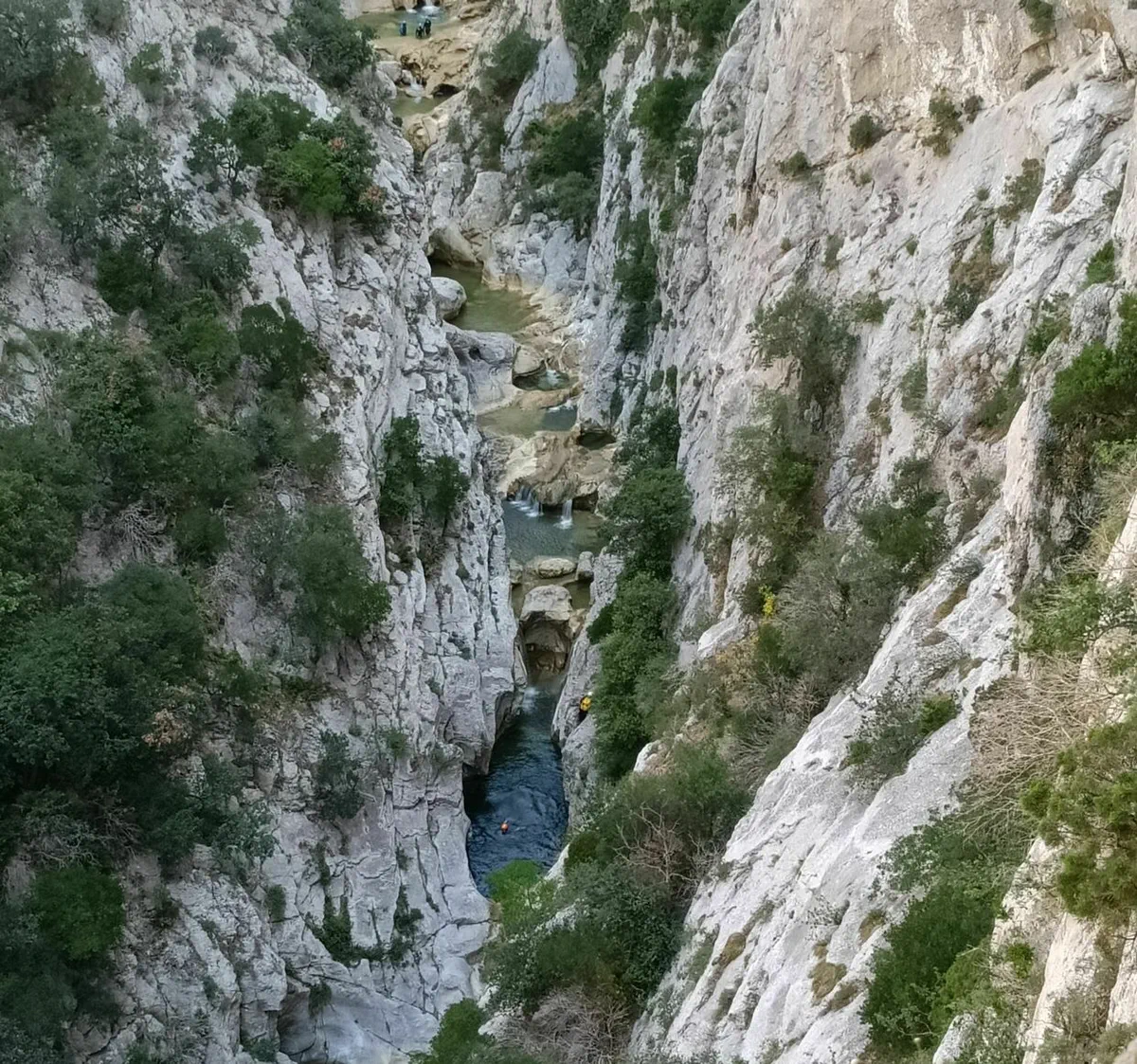
The Narrow Defile
This primary section features walls reaching heights of up to 100 meters, carved by the Agly River. The tight corridor forces the river into a compressed, high-velocity flow.
Observe from the road edge to see vertical erosion patterns.
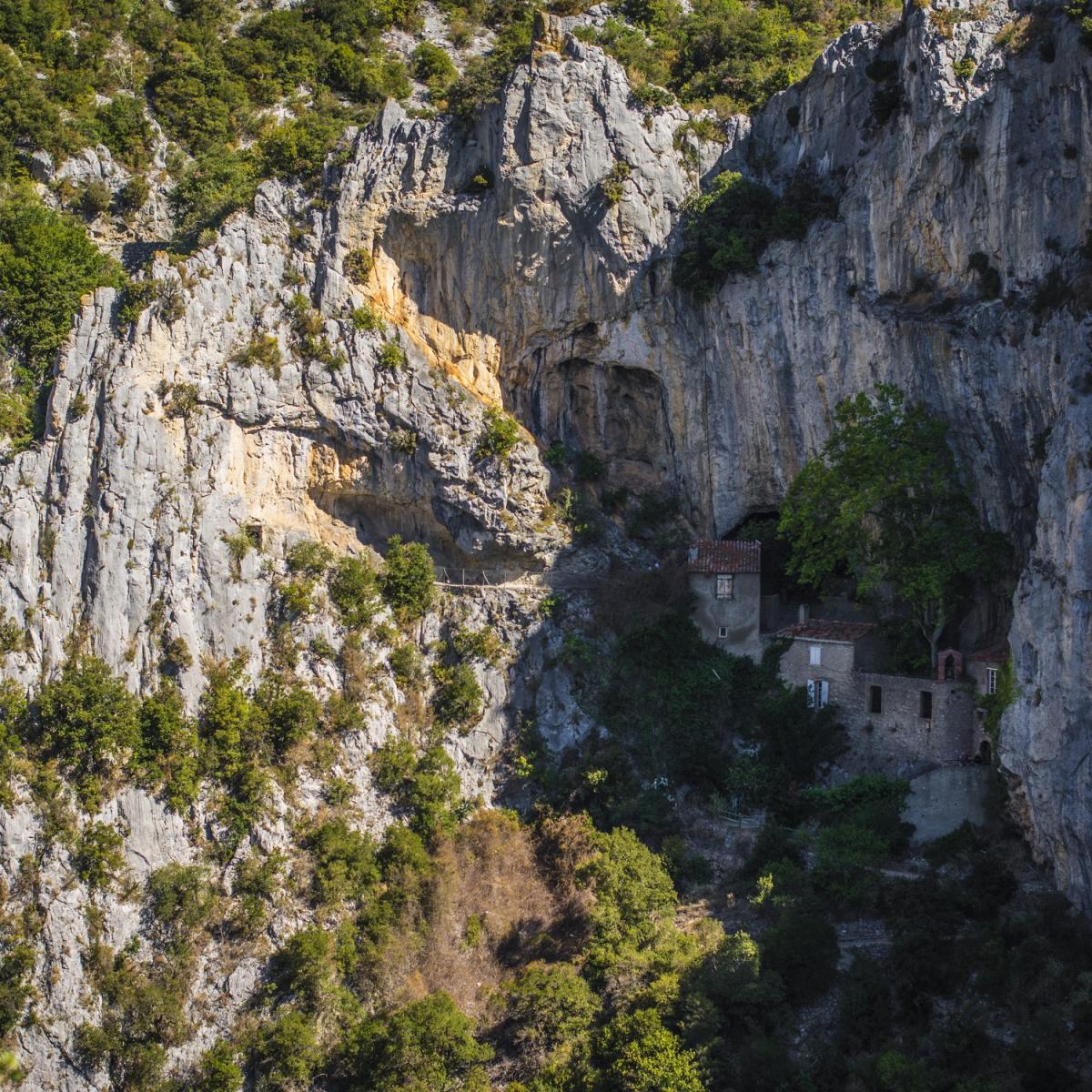
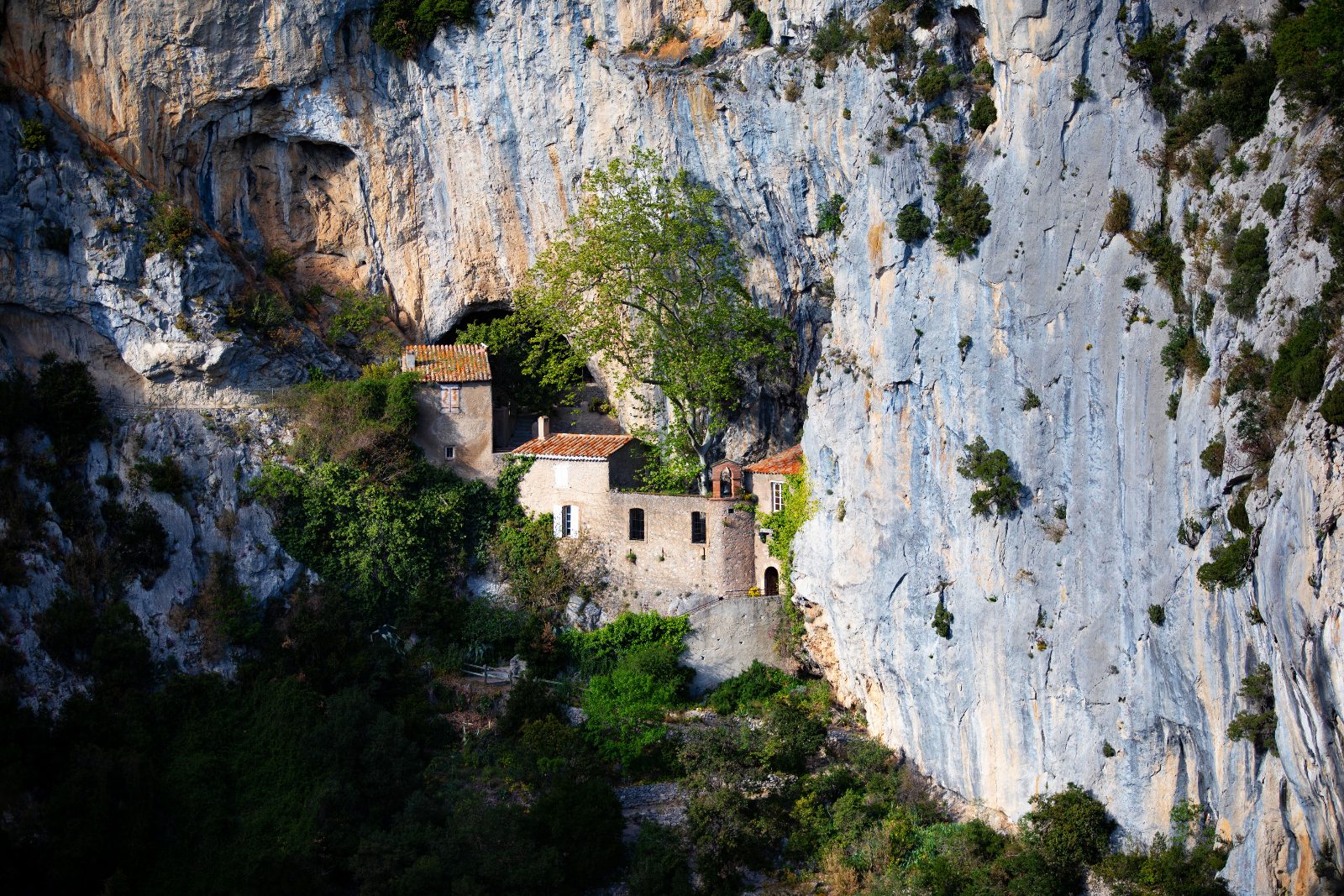
Hermitage of Saint Anthony
Built directly into the cliff side, this religious site offers a vantage point for viewing the gorge from above. It serves as a historical marker of human adaptation to the canyon environment.
Look down from the upper terrace for scale perspective.
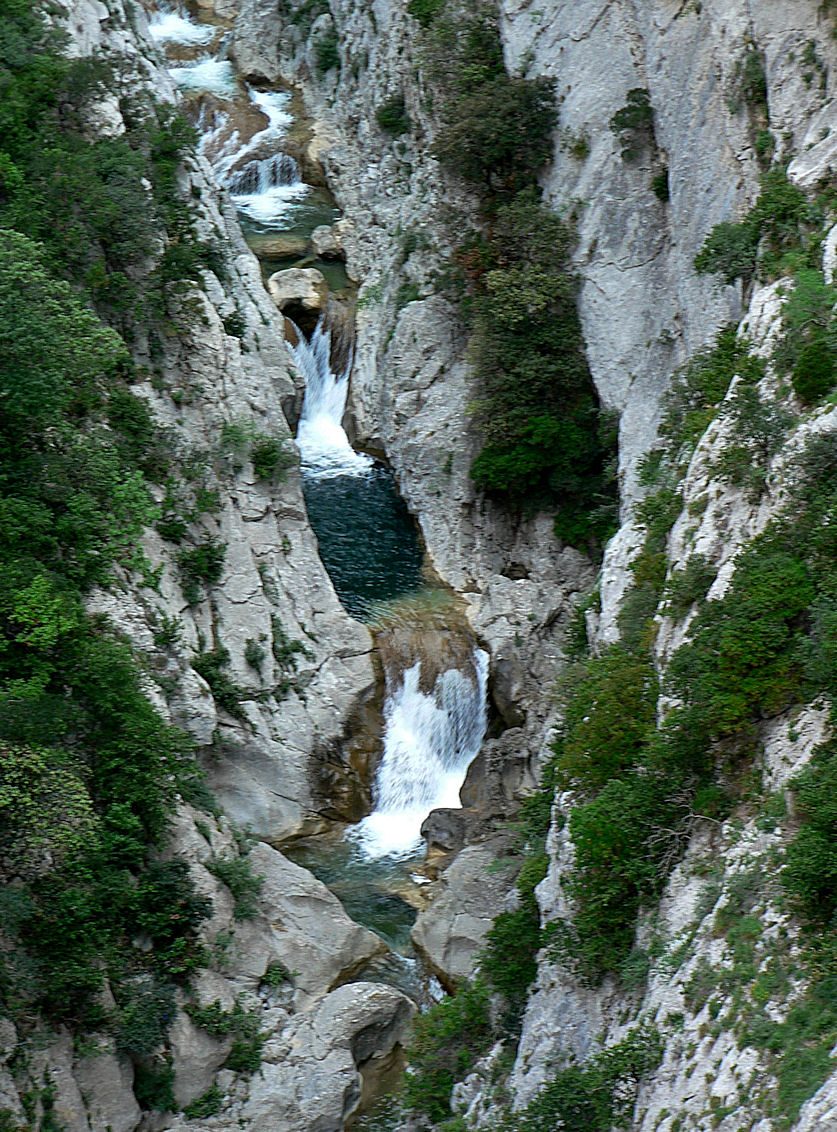
The Agly River Bed
The river creates the floor of the gorge, demonstrating the difference between wider valley systems and this specific incision. This is where the hydraulic action of the water continues to widen the base.
Walk to the designated river access points for texture study.
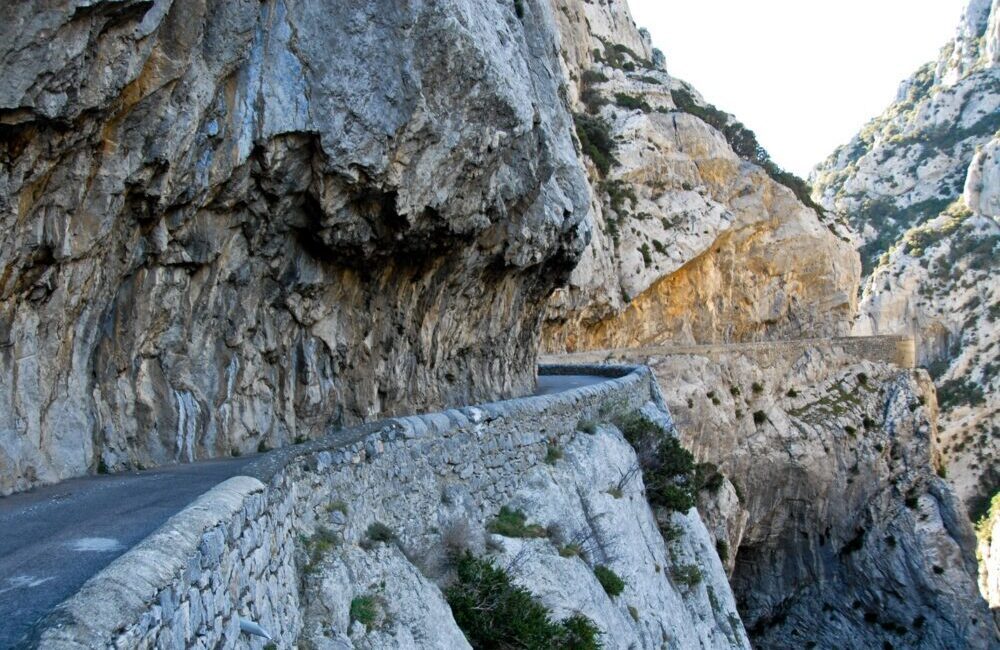
Overhanging Rock Formations
The upper sections of the gorge display significant overhangs created by differential erosion of the limestone strata. These formations highlight the instability and continuous transformation of the cliff faces.
Use binoculars to identify distinct layers in the rock.
Seasonal Timing and the Canyon Gorge Difference
The period from late spring to early autumn offers the most stable conditions for observing the Agly River's water levels against the canyon walls. Visiting between May and September ensures optimal light penetration into the narrow gorge, highlighting the contrast between the limestone rock and the water flow.
May and June
ModerateMild, 18-24°C
Water levels remain steady, providing clear visibility of the canyon floor. Spring runoff has typically subsided by this time.
July and August
HighWarm, 25-30°C
Expect higher visitor numbers during these months. Water flow is lower, revealing more of the riverbed's geological features.
September and October
LowCool, 15-22°C
The site becomes quieter as peak tourist traffic fades. Weather is stable, making it a reliable time for observing the gorge structures.
Weekday mornings
Minimal—
Arriving during the recommended 08:00–10:00 window provides the best light levels and minimal crowds.
Verdict: The best time to visit is May or September on a weekday, arriving within the 08:00–10:00 window to ensure calm conditions and optimal light.
Opening Hours for Galamus Gorge
Galamus Gorge remains accessible throughout the week to accommodate visitors. The site operates on a continuous schedule regardless of the day.
| Monday | 00:00–23:59 | |
|---|---|---|
| Tuesday | 00:00–23:59 | |
| Wednesday | 00:00–23:59 | |
| Thursday | 00:00–23:59 | |
| Friday | 00:00–23:59 | |
| Saturday | 00:00–23:59 | |
| Sunday | 00:00–23:59 |
Entrance Fees and the Canyon Gorge Difference
Access to the Galamus Gorge and the hermitage is free for all visitors. Costs only arise if choosing to use the supplemental shuttle service during peak summer periods.
A typical adult pays 0 EUR for access, with the only optional cost being the summer shuttle fee.
Check availability
Frequently Asked Questions About Canyon Gorge Difference
Everything you need to know about canyon gorge difference